

WELCOME TO
THE EXCHANGE
FVH is a technology-driven platform bringing peer-to-peer contests, digital tools, and community engagement to the sports and entertainment industries — starting on the fairways of golf. No advantages, no opaque odds; just Fairway.
THE TECHNOLOGY
PEER-TO-PEER
GOLF CHALLENGES
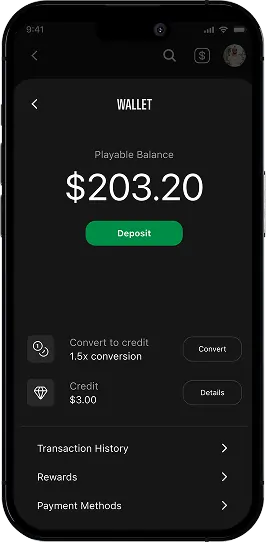
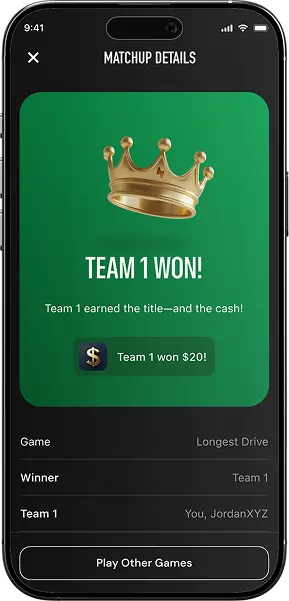
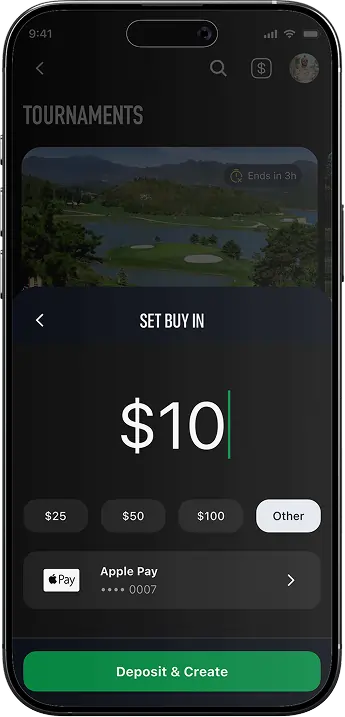
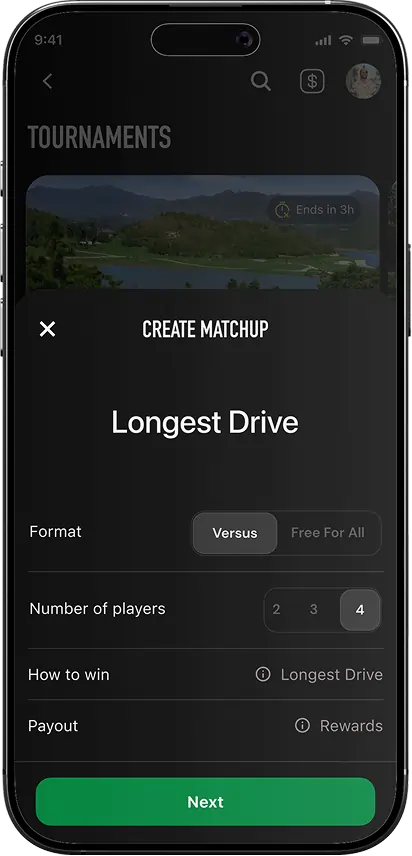


Every challenge
is between equals.
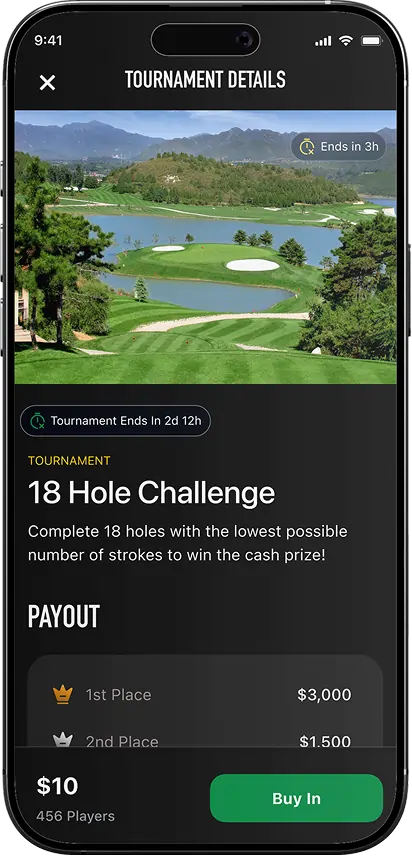
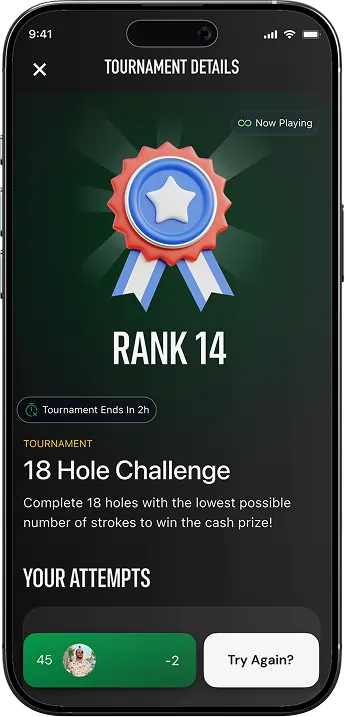
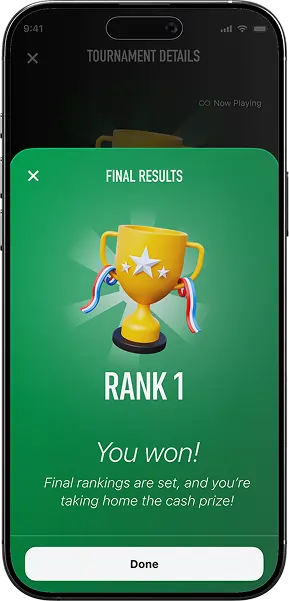
Players will be able to compete directly with their peers and challenge them to various golf games. The result is a connected golf community where rivalries, friendships, and bragging rights extend well beyond the 18th hole.




PEER-TO-PEER COMPETITIONS


SECURE PAYMENTS & TRANSACTIONS
FAQ
Our platform is available in 49 states, with real-money competitions supported in 44 states, and we operate only where skill-based gaming is permitted by law.
Users must be at least 18 years old to participate, with select states requiring 19+ or 21+, all verified through third-party identity services.
We implement transaction monitoring, KYC, anti-money laundering, geolocation, and pattern recognition tools, backed by top legal and compliance partners, to keep every player safe and every platform protected.
Our platform supports iOS and Android and is compatible with Swift, React Native, and UI Kits, with web solutions available upon request.
Standard integrations take approximately two weeks, with our team owning the majority of the upfront build before handing off to your developers.
We currently support bank accounts, credit/debit cards (excluding Mastercard), and Apple Pay, PayPal, and Venmo.
Yes, full SDK documentation is available upon request by reaching out to our team directly.
HAVE MORE QUESTIONS?
Contact UsGame Overview & Rules
1Closest to the Pin
Closest to the Pin Mode is a game where you try to place the ball as close to the pin as possible on a Par 3 hole with precise shots.
2Wolf
Wolf is a popular 4-player golf betting game where one player (the "Wolf") tees off last, watches others' shots, and decides to either pick a partner or play alone against the group. Players rotate as the Wolf each hole, earning points based on winning 2v2 matches or higher-stakes "Lone Wolf" scenarios.
Rotation: Determine a tee order (1-4) on the first hole. The 4th player is the Wolf. On hole 2, the 1st player is the Wolf, on hole 3 the 2nd, and so on, rotating throughout the round.
The Tee Shot: The Wolf always tees off last to observe other players' drives.
Choosing a Partner: After a player hits their tee shot, the Wolf must immediately decide to pick them as a partner or pass and see the next player. Once a player is passed, they cannot be picked later.
Lone Wolf: If the Wolf doesn't pick anyone, they play alone against the other three players. This often triples the points won or lost.
Blind Wolf: A high-risk option where the Wolf declares they are going alone before anyone tees off.
Team Win: If the Wolf and their partner win, they both earn 1 point.
Opponent Win: If the other two players have a better combined score, they each earn 1 point.
Lone Wolf Win: The Wolf earns 3 points if they beat all three players; if they lose, all others get 1 point.
Ties: If the hole is tied, points are typically "washed" (no points awarded) or carried over to the next hole.
3Match Play [18 Hole & 9 Hole]
Match play is a form of play where a player (or players) plays directly against an opponent (or opponents) in a head-to-head match. You win a hole by completing it in the fewest number of strokes, and you win a match when you are winning by more holes than remain to be played.
4Bridge
Bridge can be played one-on-one but is usually played in teams of two. In bridge, each hole is worth a certain number of points or money, pre-determined by the players.
After the first tee, any method, like a coin toss, is used to determine which team or player plays first.
That team also states the number of strokes they think they can win the hole in. The other team or player can go along with that bet, double it, or make a lower bid, meaning to claim that they can do it in a lesser number of strokes.
If the second party opts for the first two options, the game can proceed. However, if the second party opts for the third option, which is a lower bid, then the first party gets the same three options to choose from. This process is followed at every hole.